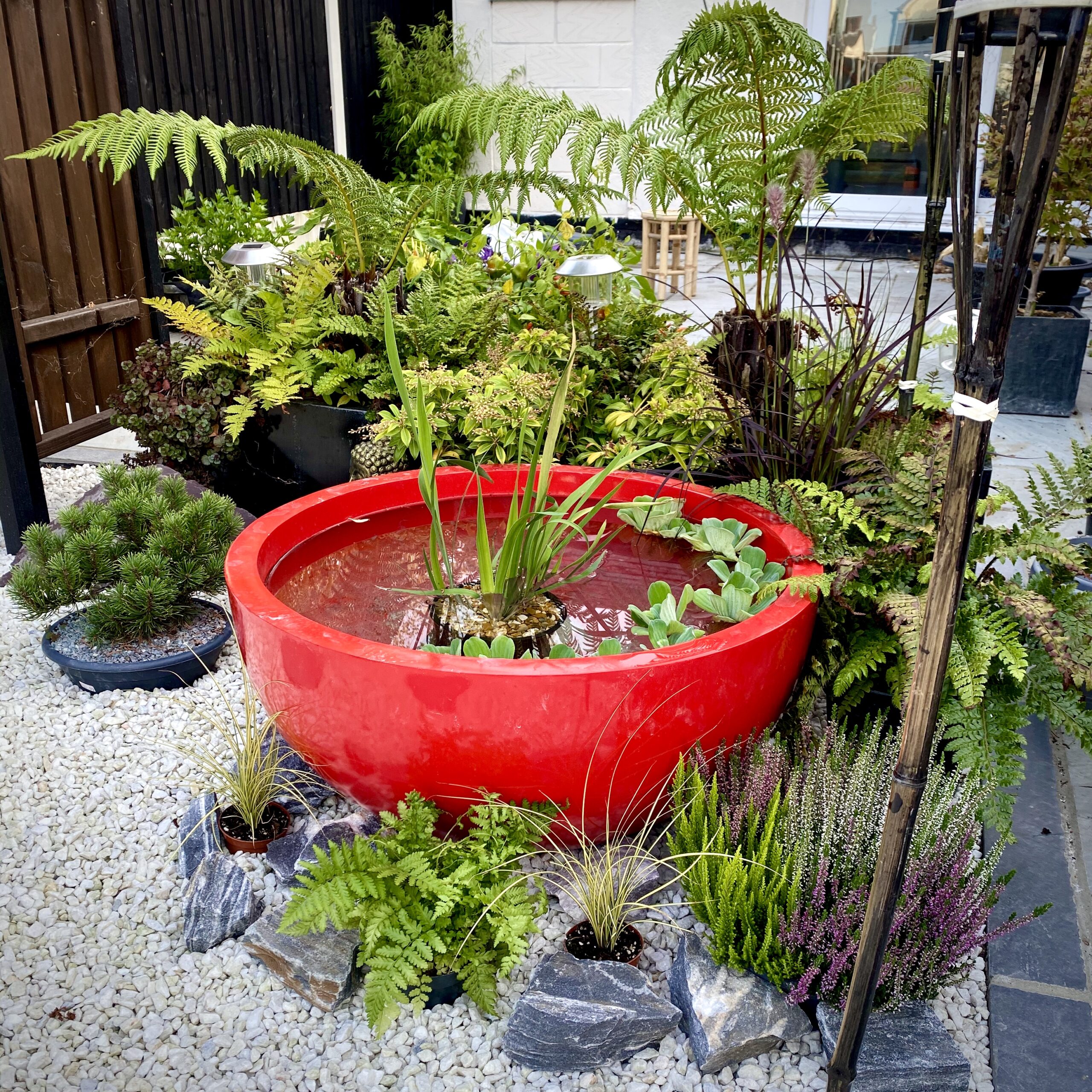
Create an easy container wildlife pond

As someone who loves spending time in the garden, I’m always looking for ways to make my outdoor space more wildlife-friendly. One of the best additions I’ve made recently is a container wildlife pond. Not only does it look beautiful, but it’s also a great way to attract a variety of creatures to my garden.
Container ponds are a fantastic alternative to traditional garden ponds, especially if you have limited space. They can be made from a variety of materials, including large plant pots and even old sink. The best thing about them is that they’re easy to install and maintain, making them perfect for gardeners of all skill levels. Plus, they’re a great way to add some extra interest and a habitat for wildlife to your garden.
Designing Your Container Wildlife Pond
Choosing the Right Container
When it comes to designing a container wildlife pond, choosing the right container is crucial. You want to select a container that is large enough to accommodate the plants and wildlife you plan to add, but also small enough to fit in your desired location. I recommend using a container that is at least 60cm in diameter and 30cm deep, but you can go larger if you have the space.
You can use a variety of containers for your wildlife pond, including:
- Plant pots – If you find the perfect looking plant pot but it has drainage holes already added to the bottom, you can seal them! Check out the video I’ve shared below that shows how to make them water tight using bathroom sealant.
- Trug Tub/Buckets – Large trug tub style buckets can be really cheap to pick up but they have flexible sides so are better for making into above ground ponds rather than being sunk into the ground.
- Plastic storage boxes – These types of boxes are strong enough to be partly sunk into the ground without deforming their shape.
- and even old sinks! Have you seen those butler-style sinks that people used to use as succulent and alpine planters? They can be perfect for a wildlife pond!
Just make sure the container is made of a durable material, such as plastic or glazed ceramic, that can withstand exposure to the elements.
Selecting Plants
Once you have your container, it’s time to select the plants you want to add to your pond. I recommend choosing a mix of oxygenating plants that will help to keep the water clear and marginal plants that don’t mind sitting in shallow water. These plants not only add beauty to your pond but also provide important habitat and food for wildlife.
Positioning for Optimal Health
It’s important to position your container wildlife pond in a location that will promote optimal health for your plants and wildlife. Placing your pond in a spot that receives a few hours of sunlight per day is a good idea. If you have a south facing or garden that is overly exposed, try to have your pond somewhere where it’ll get a bit of shade. Exposure to direct sunlight all day can cause the water to evaporate quickly and also promote algae growth.

Maintaining Your Pond
Water Quality and Clarity
Container wildlife ponds aren’t supposed to have crystal clear water but it is important to keep an eye on the quality and clarity of the water. Once you get the rights balance of plants for your pond it will keep itself pretty clean but if you are having issues it can be handy to add a small solar powered pond pump to help keep the water circulating to prevent it going stagnant.
Seasonal Care
Different seasons require different care for your container wildlife pond. During the summer months, it is important to keep an eye on the water level and top it up if necessary. In autumn I make sure to remove any leaves and debris that blow into the container every few days otherwise they become a slimey and gunky mess at the bottom of the pond that can upset the balance of the mini ecosystem.
In the winter, it is important to prevent the water from freezing over completely. An easy way to do this is by adding something that floats on the surface, I’ve seen some people using ping pong balls in small container ponds which seems to work well! If the surface does start to freeze over, try to create a few small holes in the ice or break it up and remove some large pieces.
Troubleshooting Common Issues
Even with proper maintenance, issues can still arise in your container wildlife pond. One common issue is algae growth, which can be controlled by adding barley straw to the water – you can buy bundles off this on eBay for a good price. If the water becomes cloudy or green, I recommend adding a flocculant to clump together any particles and make them easier to remove.
Another issue is the presence of pests, such as mosquitoes or gnats. To prevent these pests from taking over you could try adding a goldfish (if the pond is big enough) or a dragonfly nymph, to the pond. This will help keep the pest population under control.
I’ve loved having my container pond in my garden, not only does it look great but it has brought so much more wildlife to the garden that we would have never seen otherwise.


