Create a Dog-Friendly Garden: Tips and Tricks for a Safe and Happy Outdoor Space
Creating a dog-friendly garden is a great way to give your canine companion a safe and enjoyable outdoor space. Whether you have a large yard or a small balcony, there are several things you can do to make your garden more dog-friendly. From choosing the right plants to creating designated play areas, here are some tips to help you create a garden that both you and your furry friend will love.
Firstly, it’s important to choose plants that are safe for dogs. Some common garden plants can be toxic to dogs if ingested, so it’s best to do your research before planting anything. Instead, opt for dog-friendly plants such as lavender, sunflowers, and rosemary. You can also create a designated digging area for your dog to prevent them from digging up your plants.
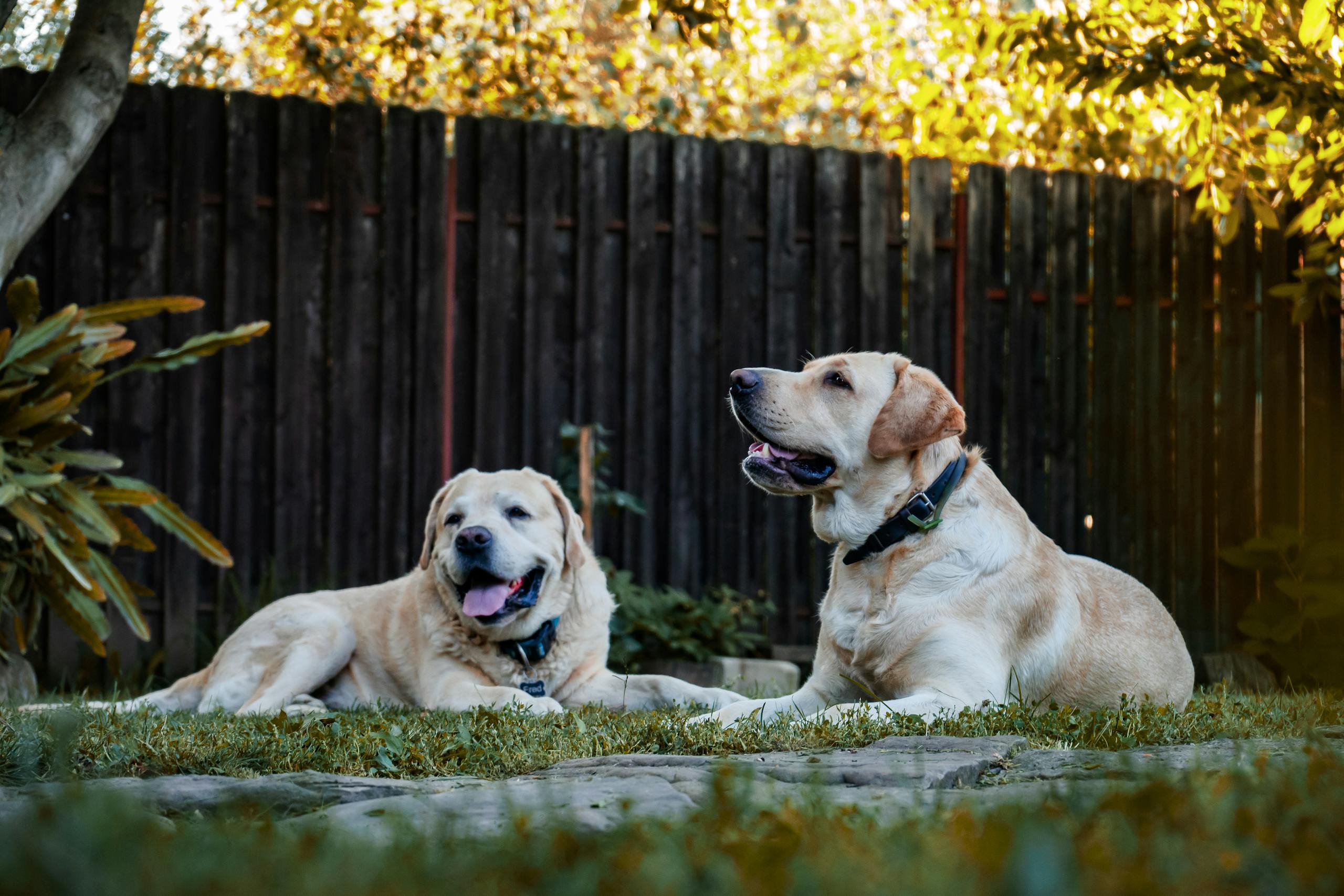
In addition to choosing the right plants, you can also create designated play areas for your dog. This can include a designated area for them to run around and play, as well as a shaded area for them to relax in. You can also incorporate dog-friendly features such as a water fountain or a paddling pool to help keep your furry friend cool on hot days. By creating a dog-friendly garden, you can provide your canine companion with a safe and enjoyable outdoor space that they will love spending time in.
Understanding Dog Behaviour
As a dog owner, it’s important to understand your furry friend’s behaviour to create a safe and enjoyable garden for them. Here are a few things to keep in mind:
Importance of Shade
Dogs love to spend time outdoors, but they can easily overheat in the sun. Providing shaded areas in your garden is crucial to keep your pup cool and comfortable. This can be achieved by planting trees or installing a shade sail. You can also create a shaded area by placing a canopy over a seating area or by using a large umbrella.
Safe Digging Areas
Dogs have a natural instinct to dig, so it’s important to provide them with a safe and designated digging area in your garden. This can be a digging pit filled with sand or soil, where your dog can dig to their heart’s content without damaging your garden. Make sure to supervise your dog while they are digging and redirect them to the designated area if they start digging elsewhere.
By understanding your dog’s behaviour and providing them with a dog-friendly garden, you can ensure that they are happy and safe while enjoying the outdoors.
Designing Your Dog-Friendly Garden
Creating a garden that is both beautiful and practical for your furry friend can be a challenging task, but with the right planning and design, you can achieve a perfect balance. Here are some things to consider when designing your dog-friendly garden.
Lawn Considerations
When it comes to lawns, it’s important to choose the right type of grass that can withstand heavy traffic and playtime. Opt for a grass variety that is hard-wearing, such as perennial ryegrass or tall fescue. It’s also crucial to keep your lawn well-maintained, with regular mowing and fertilising to keep it healthy and lush.
Incorporating Patio Spaces
Patios and outdoor seating areas are a great addition to any garden, but they can also be beneficial for your dog. Providing your pup with a designated space to relax and play can help keep them off the lawn and prevent damage to your plants. Consider incorporating a raised deck or patio area with plenty of shade and comfortable seating for both you and your furry friend.
Choosing Dog-Friendly Plants
When selecting plants for your garden, it’s essential to choose ones that are safe for your dog. Some common plants, such as lilies and daffodils, can be toxic to pets, so it’s important to do your research before making any purchases. Opt for dog-friendly plants such as lavender, rosemary, and sunflowers, which not only look beautiful but also have natural pest-repelling properties.
Water Features and Hydration
Water features such as fountains and ponds can be a great addition to any garden, but they can also pose a potential hazard to your dog. Be sure to choose a water feature that is safe for your pup and always supervise them around water. Providing your dog with access to fresh water is also essential, so consider incorporating a water bowl or fountain into your garden design.
By considering these factors and incorporating them into your garden design, you can create a beautiful and practical space that both you and your furry friend can enjoy.
Selecting Safe Plants and Materials
When it comes to creating a dog-friendly garden, selecting safe plants and materials is crucial. You want to make sure that your furry friend is safe and healthy while enjoying the outdoor space. Here are some guidelines to help you choose the right plants and materials for your garden.
Recognising Toxic Plants
Some plants can be toxic to dogs and can cause serious health problems if ingested. It’s important to know which plants are safe and which ones to avoid. Here are some common toxic plants to watch out for:
- Rhododendron
- Azalea
- Lily of the Valley
- Foxglove
- Yew
- Oleander
Make sure to research any plant before adding it to your garden to ensure it is safe for your dog.
Natural Pest Control
Slugs and snails can be a nuisance in the garden, but using harmful chemicals to control them can be dangerous for your dog. Instead, try using natural pest control methods such as:
- Copper tape around plant pots
- Beer traps
- Eggshells
- Diatomaceous earth
These methods are safe for dogs and effective in controlling pests.
Avoiding Harmful Chemicals
When it comes to fertilisers, herbicides, and pesticides, it’s important to choose products that are safe for dogs. Avoid using any products that contain harmful chemicals such as:
- Glyphosate
- 2,4-D
- Carbaryl
- Malathion
Instead, opt for natural and organic alternatives such as compost, bone meal, and neem oil.
By following these guidelines and selecting safe plants and materials, you can create a beautiful and dog-friendly garden that both you and your furry friend can enjoy.
Creating Functional Areas
When designing a dog-friendly garden, it’s important to create functional areas that cater to your furry friend’s needs. Here are some ideas for creating functional areas in your garden:
Agility and Exercise Equipment
If your dog loves to play and exercise, consider installing agility equipment in your garden. Agility equipment can include items such as jumps, tunnels, and weave poles. These items provide a fun and challenging way for your dog to exercise and improve their physical and mental agility. Be sure to choose equipment that is appropriate for your dog’s size and skill level.
Dedicated Compost Area
Creating a dedicated compost area in your garden can be a great way to dispose of your dog’s waste in an eco-friendly manner. You can use the compost to fertilize your garden and reduce your carbon footprint. To create a compost area, choose a spot in your garden that is away from your dog’s play areas and food/water bowls. Use a compost bin or heap to contain the waste and add organic materials such as leaves, grass clippings, and vegetable scraps. Avoid adding any meat, dairy, or oily foods to the compost as they can attract pests and create odours.
By creating functional areas in your garden, you can provide your dog with a safe and enjoyable environment to play and exercise. Consider incorporating agility equipment and a dedicated compost area into your garden design to enhance your dog’s experience.
Planting for Your Pooch
When designing a dog-friendly garden, it’s important to consider what plants you will include. Not all plants are safe for dogs, so it’s essential to choose ones that are non-toxic and won’t harm your furry friend. Here are some tips on planting for your pooch:
Herbs and Sensory Plants
Herbs are a great addition to any dog-friendly garden. Not only are they safe for dogs, but they can also provide a range of health benefits. For example, rosemary can help repel fleas and ticks, while parsley can freshen your dog’s breath. Other dog-friendly herbs include thyme, basil, and oregano.
Sensory plants are also a great option for a dog-friendly garden. These are plants that stimulate your dog’s senses, such as sight, smell, and touch. Some examples include lavender, chamomile, and catnip. These plants can help calm your dog and reduce stress and anxiety.
When planting herbs and sensory plants, it’s important to consider their location in your garden. You may want to plant them in raised beds or containers to prevent your dog from digging them up or eating them.
Overall, planting herbs and sensory plants in your dog-friendly garden can provide a range of benefits for both you and your furry friend. Not only do they add beauty and interest to your garden, but they can also provide health benefits and sensory stimulation for your dog.